

Why Indian Travelers Prefer to Rent a Car in Bangkok, Thailand
Thailand has long been one of the most popular international destinations for Indian travelers. With direct flights from major Indian cities, a welcoming visa policy,
Call to rent a car

In an era where automotive technology continues to advance without limits, “high-speed sports cars” have become a symbol of superiority—representing power, engine performance, design excellence, and world-class engineering. The year 2025 marks an exciting period in which hypercar and supercar manufacturers are fiercely competing to break top-speed records. In particular, surpassing the 300 mph barrier (approximately 480 km/h)—once considered impossible—has become a defining benchmark of modern performance engineering.
In this article, we, as a luxury car rental company, will introduce you to the “Top 5 Fastest Sports Cars in the World in 2025,” each model a true result of innovation, advanced engineering, and the ultimate dream of speed enthusiasts.
High-speed sports cars capture global attention because they represent the perfect fusion of innovation, technology, and engineering artistry. Every element—from aerodynamically refined exterior design to powerful engines and intelligent control systems—is meticulously developed to deliver maximum performance and thrilling driving experiences.
Beyond performance, sports cars also reflect refined taste and luxury. World-renowned brands continuously compete to develop cutting-edge technologies, turning each model into a masterpiece that commands worldwide admiration and anticipation.
Modern high-speed sports cars are no longer focused solely on power and speed. They also place strong emphasis on safety and driver-assistance technologies. Systems such as ABS, Traction Control, ESC, and Adaptive Cruise Control help drivers maintain precise control even at high speeds.
Some models are also equipped with active aerodynamics that automatically adjust downforce and air resistance based on speed, along with 360-degree sensors and cameras to enhance visibility and overall safety. As a result, today’s sports cars deliver both extreme performance and advanced safety at the same time.

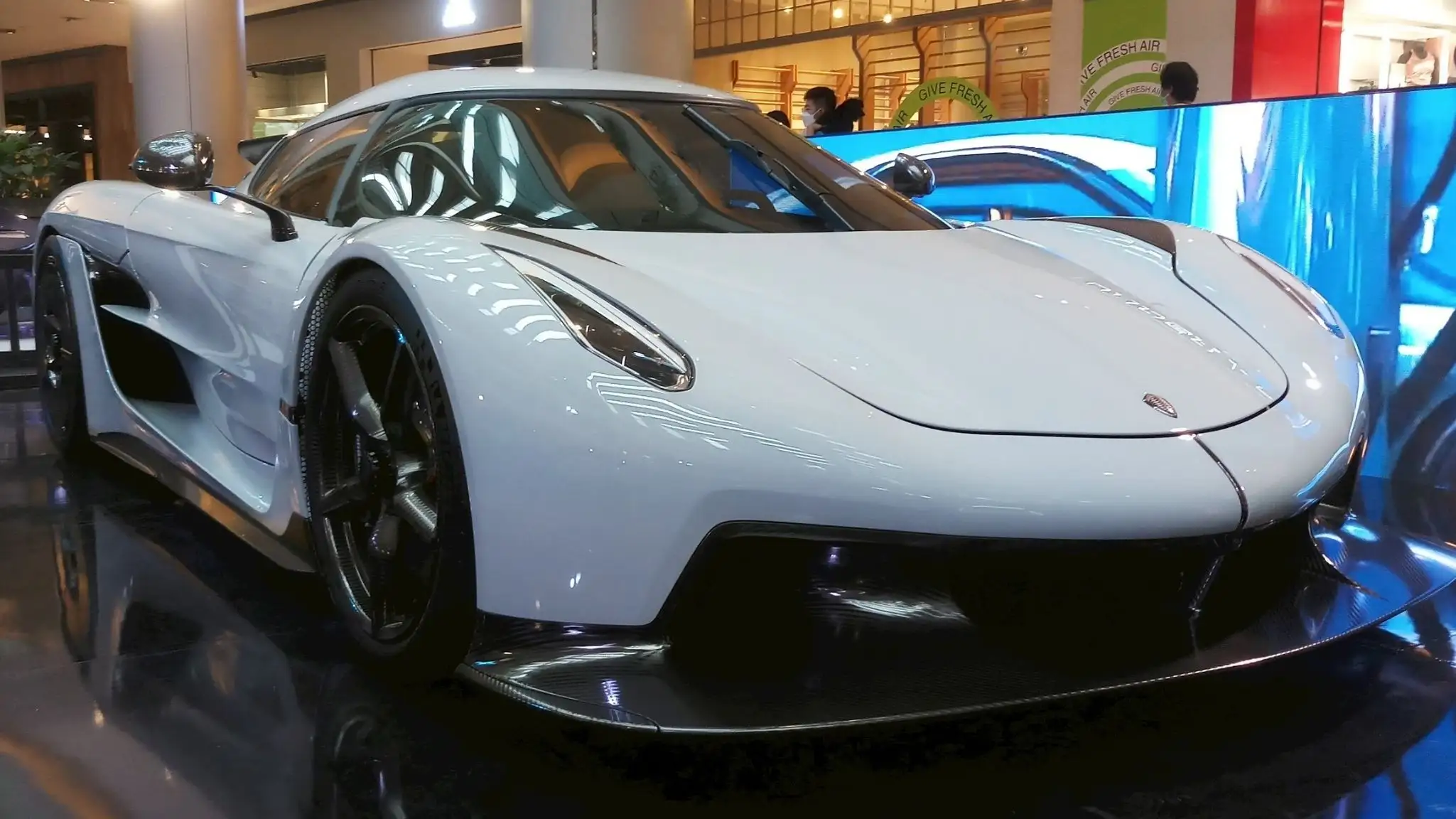
Koenigsegg Jesko Absolut is a hypercar engineered to break the 500 km/h speed barrier. With a manufacturer-claimed top speed of approximately 531 km/h (330 mph), it stands among the most extreme performance machines ever designed. The Jesko Absolut is powered by a 5.0-liter twin-turbocharged V8 engine producing over 1,600 horsepower. It features Koenigsegg’s advanced 9-speed multi-clutch transmission (Light Speed Transmission) and a lightweight carbon-fiber monocoque chassis, enabling rapid responsiveness and remarkable control even at extraordinary speeds.
Although an official public top-speed test has yet to be completed, the Jesko Absolut is widely regarded as a symbol of cutting-edge innovation and advanced engineering in the world of high-performance sports cars.

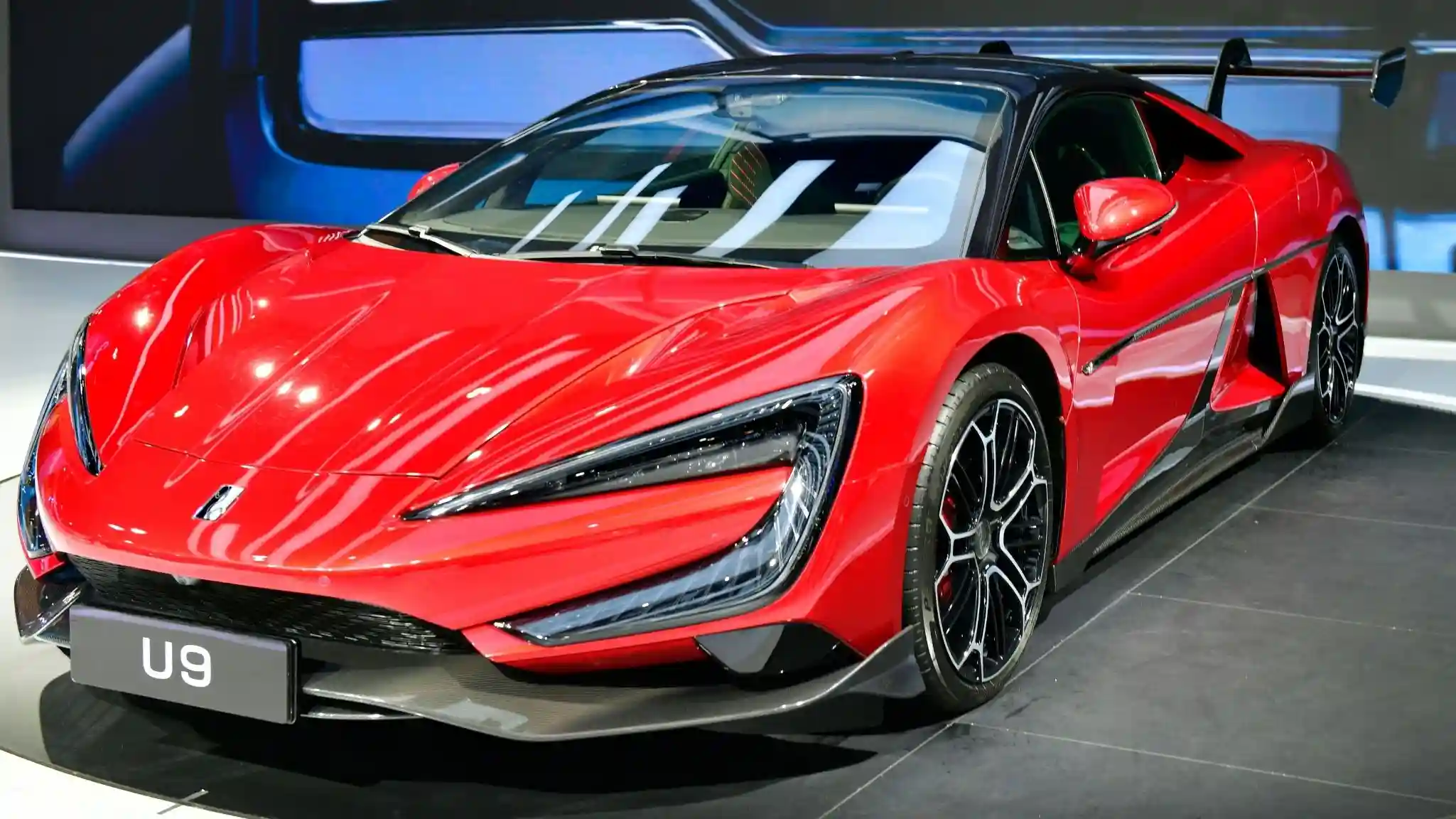
Yangwang U9 Xtreme is a 100% electric hypercar that has shocked the automotive world. Powered by high-output electric motors delivering up to 3,000 horsepower, it achieved a top speed of 496.22 km/h (308.33 mph), officially certified—making it currently the fastest electric car in the world.
The U9 Xtreme features advanced aerodynamic engineering, a lightweight body structure, and a high-capacity battery system capable of delivering sustained power output. It stands as a clear example that electric vehicle technology in the sports car segment can fully compete with traditional internal combustion engines in terms of extreme performance.

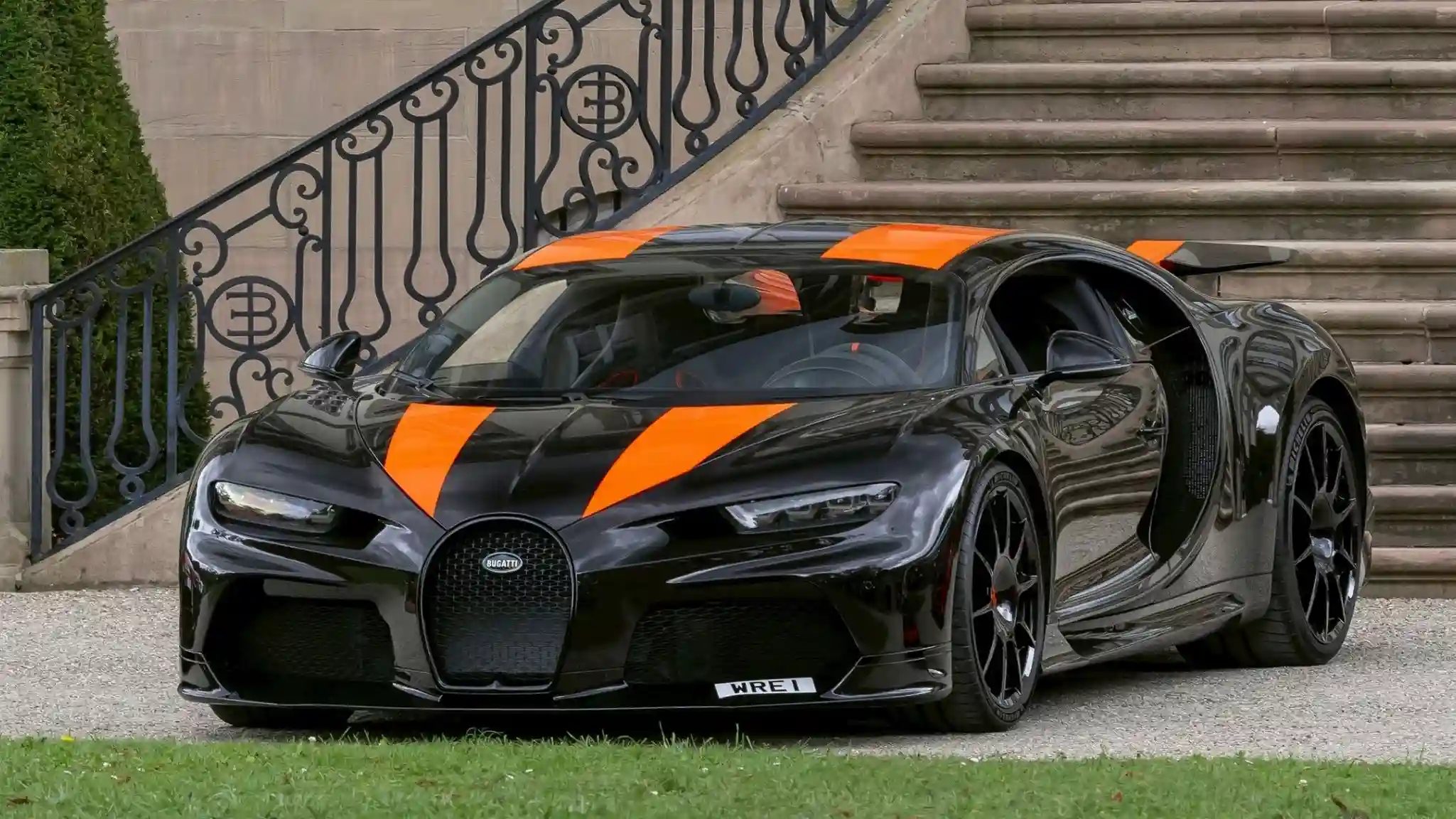
Bugatti Chiron Super Sport 300+ stands as a symbol of engineering excellence, famously breaking the 300 mph barrier with a top speed of 490.48 km/h (304.77 mph). The car is powered by an 8.0-liter quad-turbocharged W16 engine producing over 1,600 horsepower, paired with a 7-speed dual-clutch automatic transmission (DCT) that delivers seamless power transfer.
Its body design was carefully developed with aerodynamic balance in mind, reducing drag while enhancing high-speed stability. As a result, the Chiron Super Sport 300+ remains an icon of extreme performance, even as newer contenders such as the Yangwang U9 Xtreme push the boundaries further in the hypercar rankings.

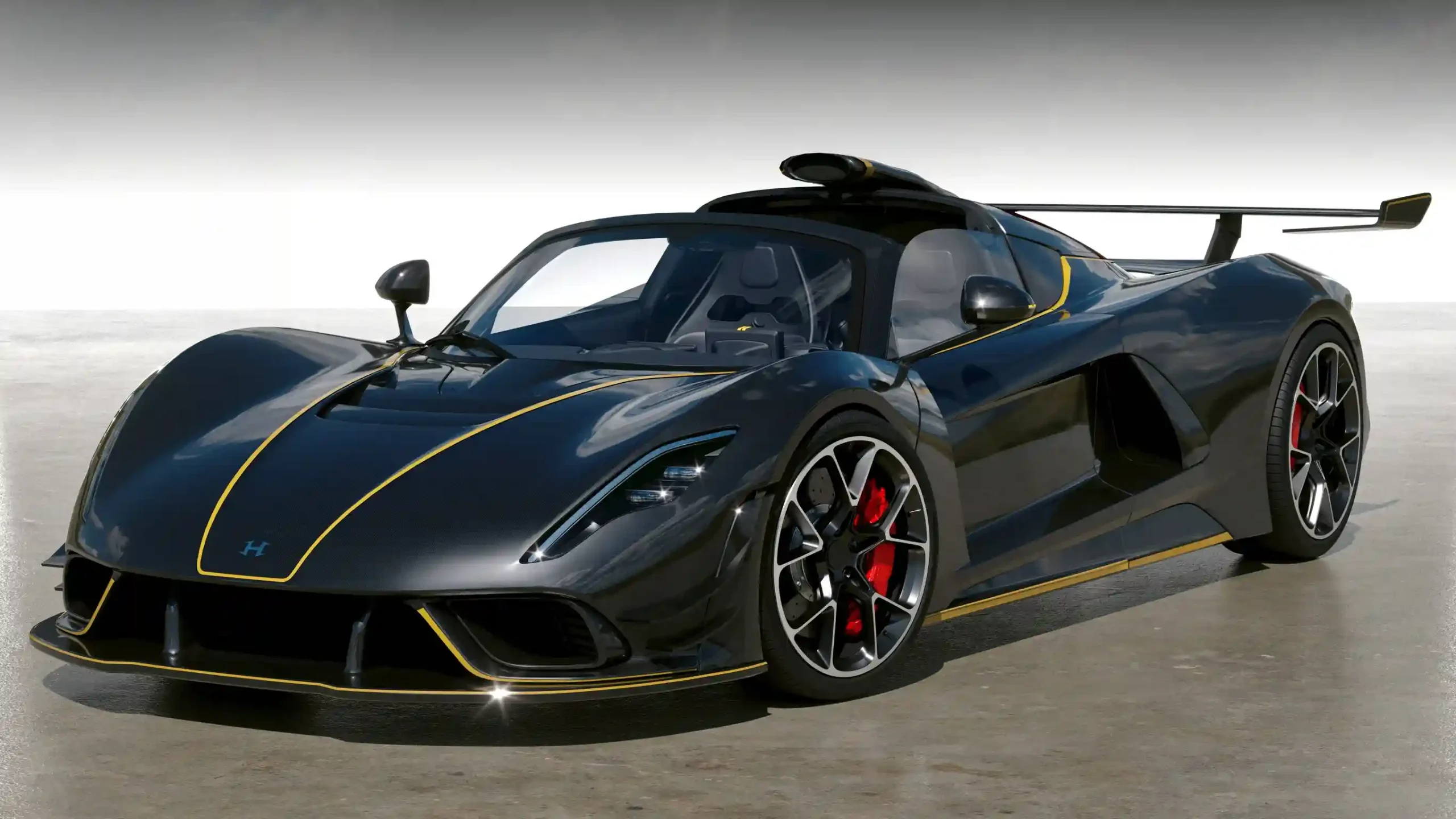
Hennessey Venom F5 was engineered with an ambitious goal of reaching 500 km/h (311 mph), and it has already achieved real-world test speeds exceeding 484 km/h. The hypercar is powered by a 6.6-liter twin-turbocharged V8 engine producing over 1,800 horsepower. It features a 7-speed sequential automated transmission, while its advanced aerodynamic body design ensures precise control and stability at extreme speeds.
The Venom F5 exemplifies the determination of American manufacturers to challenge the limits of performance and compete on the global hypercar stage.

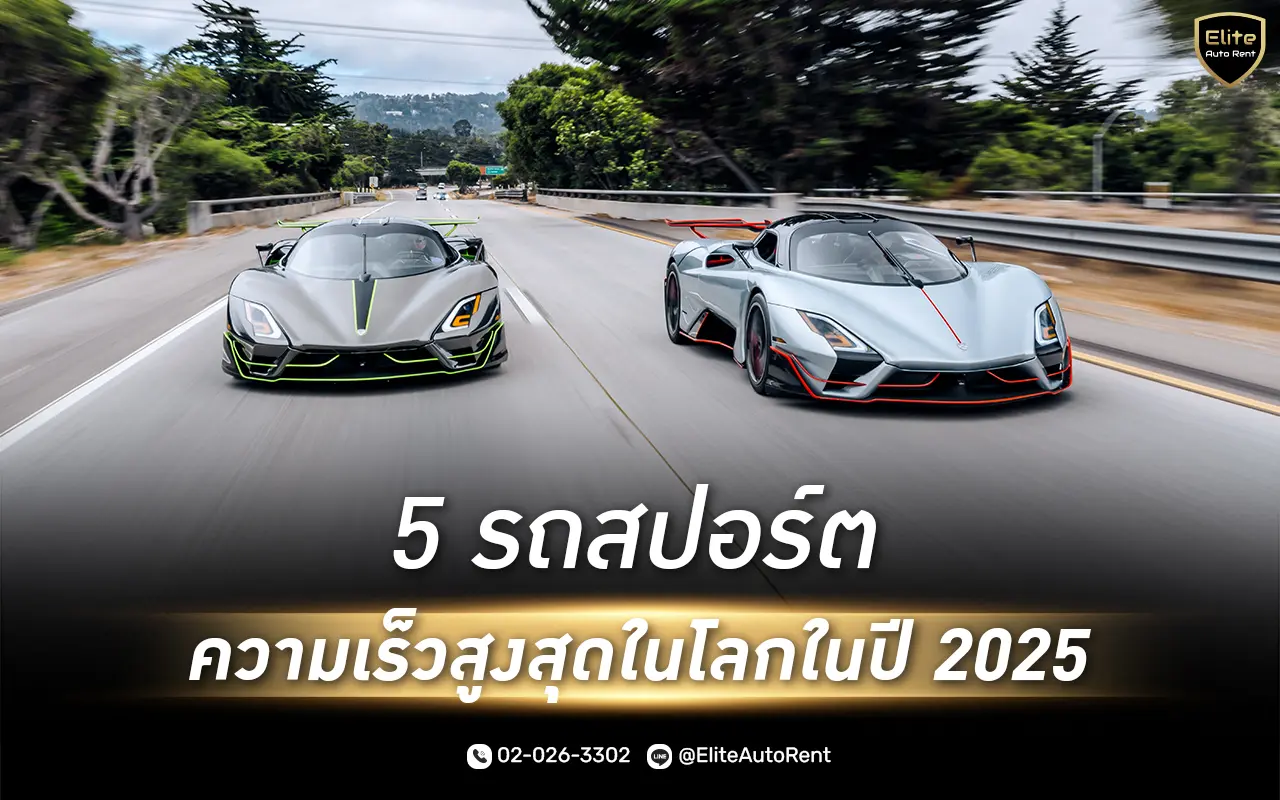
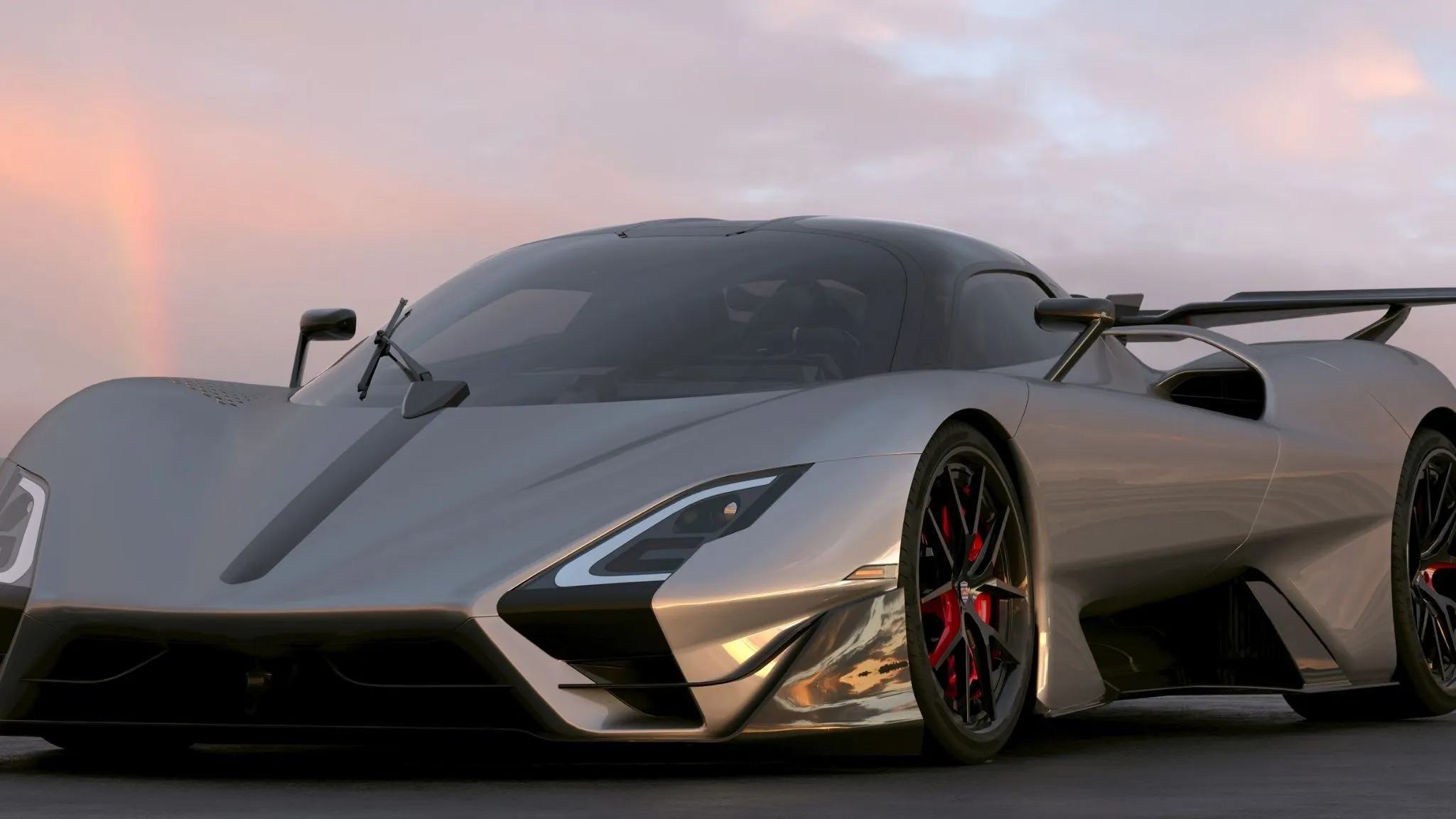
SSC Tuatara once made headlines with claims of exceeding 500 km/h in top speed. However, the most recent officially verified test recorded a top speed of 475 km/h (295 mph). The hypercar is powered by a 5.9-liter twin-turbocharged V8 engine producing up to 1,750 horsepower. It features a 7-speed transmission and a carbon-fiber body optimized for aerodynamic efficiency, ensuring high-speed stability and performance.
The Tuatara represents a determined effort to build a hypercar that is both extraordinarily fast and exceptionally stable. Through continuous development, SSC has established itself as a key player in the global high-performance sports car industry.
Sports cars are not defined solely by speed or aggressive design. They also differ in technology, engine configuration, engineering philosophy, and intended usage. Understanding these elements gives enthusiasts a clearer overall perspective and allows them to choose—or truly appreciate—each sports car according to their real needs. Before making a decision, it is advisable to review a sports car rental or buying guide. Most importantly, consider the following factors:
Don’t Focus Only on “Top Speed”
Although some models claim to exceed 300 mph, such figures are often achieved under special testing conditions and may not reflect real-world road use. Buyers should evaluate practical performance metrics such as 0–100 km/h acceleration, handling dynamics, drivability, and everyday usability.
Extreme Speed = Extreme Costs
It’s not just the purchase price that’s high. Ownership includes specialized maintenance, high-performance tires, advanced braking systems, insurance limitations, and potential restrictions for road use. The faster the car, the higher the ongoing costs.
Safety and Legal Considerations
Speeds exceeding 300 km/h (or 200+ mph) are illegal on public roads in most countries and require controlled environments such as test tracks. Real-world driving conditions rarely allow such performance to be used safely.
Depreciation and Value Considerations
If purchasing for collection or investment—particularly in the high-speed hypercar segment—be aware that values fluctuate based on the luxury and performance market. Limited production, brand prestige, and demand can influence appreciation, but volatility is always a factor.
High-speed sports cars require enormous driving power (horsepower/torque) and must feature aerodynamics that minimize drag and lift, allowing them to reach extreme speeds without excessive air resistance.
At speeds exceeding 300 km/h, tires and suspension systems must withstand extreme centrifugal forces and high G-forces. They also require highly responsive and precise stability control systems, as maintaining stability at such high speeds is extremely challenging
Electric cars—such as the Rimac Nevera R—demonstrate that modern high-speed sports cars are no longer limited to internal combustion engines. Although some “top speed” records are still held by combustion-powered models, EVs are now seriously challenging that dominance.
Models such as the Koenigsegg Jesko Absolut and the Hennessey Venom F5 have both announced ambitions to surpass the 300 mph barrier, signaling that the “high-speed sports car” race is entering a new level.
All the cars on this list are typically limited-production models, priced in the multi-million-dollar range and often available only through advance reservation. As a result, owners don’t just acquire a “high-speed sports car” — they also obtain a true “collector’s piece of speed.”
2025 marks a defining year in the world of sports cars and hypercars, with intense competition around ultimate top speed. From the Koenigsegg Jesko Absolut challenging the 500 km/h barrier to the Yangwang U9 Xtreme—currently the world’s fastest electric hypercar—this ranking of five extraordinary models reflects the seamless fusion of innovation, engineering excellence, and advanced technology.
These machines showcase breakthroughs in engine performance, aerodynamics, handling systems, and lightweight materials. Beyond raw speed, they also represent refined taste, luxury, and status for their owners.
For enthusiasts, understanding real-world performance, control, safety systems, and ownership costs is essential to fully appreciate or select the right model. Ultimately, high-speed sports cars are more than just top-speed figures—they symbolize ambition, technological evolution, and humanity’s relentless pursuit of pushing automotive limits.
The fastest sports cars in 2025 feature standout models known for both extreme performance and advanced technology, including:
Each model combines ultra-high engine performance, cutting-edge aerodynamics, and lightweight body construction to deliver an intense, exhilarating, yet controllable driving experience—whether on public roads (within legal limits) or on dedicated test tracks.
Beyond sheer speed, these cars represent world-class innovation and engineering excellence, showcasing how leading manufacturers continue to push the boundaries of what is technologically possible in the pursuit of ultimate performance.
Electric sports cars such as the Yangwang U9 Xtreme and the Rimac Nevera R are capable of reaching top speeds comparable to internal combustion supercars. Equipped with high-output electric motors, high-performance battery systems, and lightweight body structures, these EVs deliver instant acceleration and full torque on demand.
This advanced electric powertrain allows them to compete at the highest level in the modern hypercar arena—offering thrilling performance with cutting-edge technology.
High-speed sports cars are engineered for maximum performance on controlled test tracks. Speeds exceeding 300 km/h on public roads carry significant risks and may be illegal.
Driver-assistance systems such as ABS, ESC, traction control, and 360-degree sensors play a crucial role in enhancing safety. These technologies help drivers maintain control with greater confidence, even in complex road conditions or emergency situations.
High-speed sports cars come with significantly higher costs than standard vehicles. These include not only the purchase price, but also high-performance tires, specialized braking systems, engine inspections, and model-specific insurance coverage.
Proper and regular maintenance is essential to preserve peak performance, allowing drivers to enjoy powerful, thrilling, and confident driving experiences smoothly over the long term.
You can experience world-class high-speed sports cars at Elite Auto Rent. We offer a diverse selection of premium sports car models, supported by a professional team that provides expert driving guidance and safety advice.
Our service allows you to fully enjoy the car’s peak performance—powerful, thrilling, and confidence-inspiring on every route, whether on a test track or designated driving roads

Thailand has long been one of the most popular international destinations for Indian travelers. With direct flights from major Indian cities, a welcoming visa policy,

For international travelers, the journey does not truly begin upon landing—it starts the moment you leave the airport. Navigating a new country, unfamiliar language, different

Thailand has become one of Asia’s leading destinations for luxury travel. From five-star hotels in Bangkok to exclusive beach resorts and high-profile events, today’s travelers